

I Dated Five Guys on National TV
Here’s what it taught me about creative direction. By Amy Butterworth, Creative Director

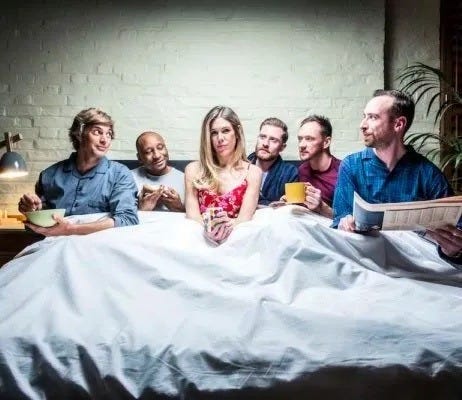
When people hear I once ‘starred’ in a Channel 4 reality show, they usually assume one of two things - that it was either glamorous or horrifically mortifying.
Truth is, it was actually neither.
It was properly fun and ridiculously surreal… but looking back, I also realise how unexpectedly insightful it was. As a creative, it was quite something to have a front row seat to how a large-scale TV production works, all whilst living inside it for five days.
So what was the show called, I hear you ask?
Well… ahem. It was called ‘Five Guys a Week’ (yes, I see you smirking).
The premise was simple. Five strangers move into your house, you get to know them, eliminate one each day until you’re left with, as they call it, “your perfect match.”
But here’s the thing.
What I didn’t realise when I said yes was this. I wasn’t just signing up for a dating show. I was actually stepping into a crash course in storytelling, production, performance and people - which, let’s be honest, turned out to be far more useful than any fame-hunting boyfriend.
So why am I telling you all of this?
Because it’s one of those experiences that’s stayed with me. I sometimes get asked if I regret doing it, and the answer truly, honestly, is no. If anything, it reinforced something I really believe in: say yes to things that scare you a bit. You never quite know what you might discover along the way.
So, in the spirit of that, here are some of the things it taught me….
1. Say yes, even when your instinct is to run
A production company reached out shortly after my divorce. I genuinely thought it was a joke. But I was in a phase of life where I was saying yes to things and seeing where they took me so, naturally, I went along with it.
Six months later, I’m told I’m in the final three being considered for the pilot show. A camera crew is in my house filming test footage…and a few weeks after that, I get the call saying I’ve been chosen. (oh shit.)
That’s the moment everything in me wanted to back out.
But something in my gut told me to go with it (plus they were offering to pay for my house move costs - including packing and unpacking - as filming was scheduled the week before. Now if that isn’t an incentive, I don’t know what is.)
Not long after, my house was being rigged with cameras, production trucks were outside, and containers were set up along the street. It was surreal, slightly terrifying, and also absolutely brilliant.
Some of the best things I’ve done have started with that slightly uneasy feeling of “what am I getting myself into?” And if nothing else, I like the idea of collecting stories I’ll still be telling from a rocking chair one day. This is definitely one of them.
2. Nothing is accidental, everything is crafted
Watching my home turn into a TV set was fascinating.
Art directors came in and redressed rooms so they would look better on camera (including some questionable red cushions in my bedroom that I’m still not over). Shelving was installed to hide cameras. Lighting was constantly being adjusted. There were around 30 people involved in making it all work.
Even the casting followed that same thinking. I’d spent ages describing my “type”, thinking they’d find me my perfect match. Instead, I was introduced to five completely different personalities.
At first I thought, have they listened to anything I said?
Then I realised it wasn’t about that. It was about creating a story that would work on screen.
Case in point: by the time we got down to the final two, I had a bit of a moment. I didn’t particularly fancy either of them, and suddenly thought… why am I picking someone just because they’re here?
So I texted the producer from my bedroom (they were in the production truck outside) and pitched what I thought was quite a strong feminist ending: “What if I just choose myself?”
The reply came back fairly quickly: “Nice idea, Amy. But this is a pilot. You need to pick someone.”
Fair enough.
But it did make the point very clear. This wasn’t about real life playing out naturally. It was about shaping something that made sense as a story.
And that’s something we as creatives are doing all the time - making choices in service of the story, not just the moment.
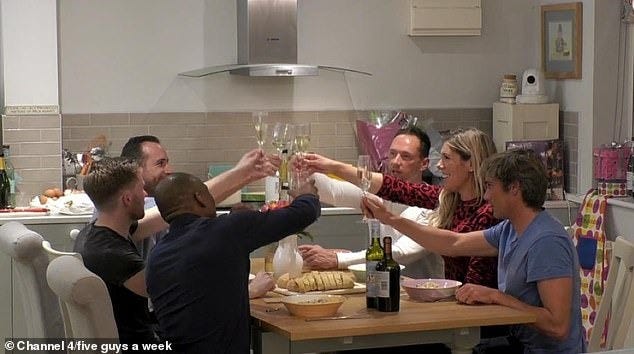
3. Direction shapes the outcome
People always ask if it was real.
The conversations were real. But they were definitely ‘guided.’
Every so often I’d get pulled aside for what was called a “mic check”, which was really a quick chat with a producer, out of earshot from the lads, about what had just happened and how I felt about it. They might suggest a different way of looking at something, or encourage me to explore a thought a bit further.
Then I’d go back into the room and carry on.
It wasn’t scripted, but it was shaped.
And I actually had quite a lot of fun with that. At some point, I started to see it as a bit of an acting job - being placed into moments to help move things along.
It made me realise how much good direction is about influence rather than instruction. You’re not telling people exactly what to say; you’re helping them get somewhere better.
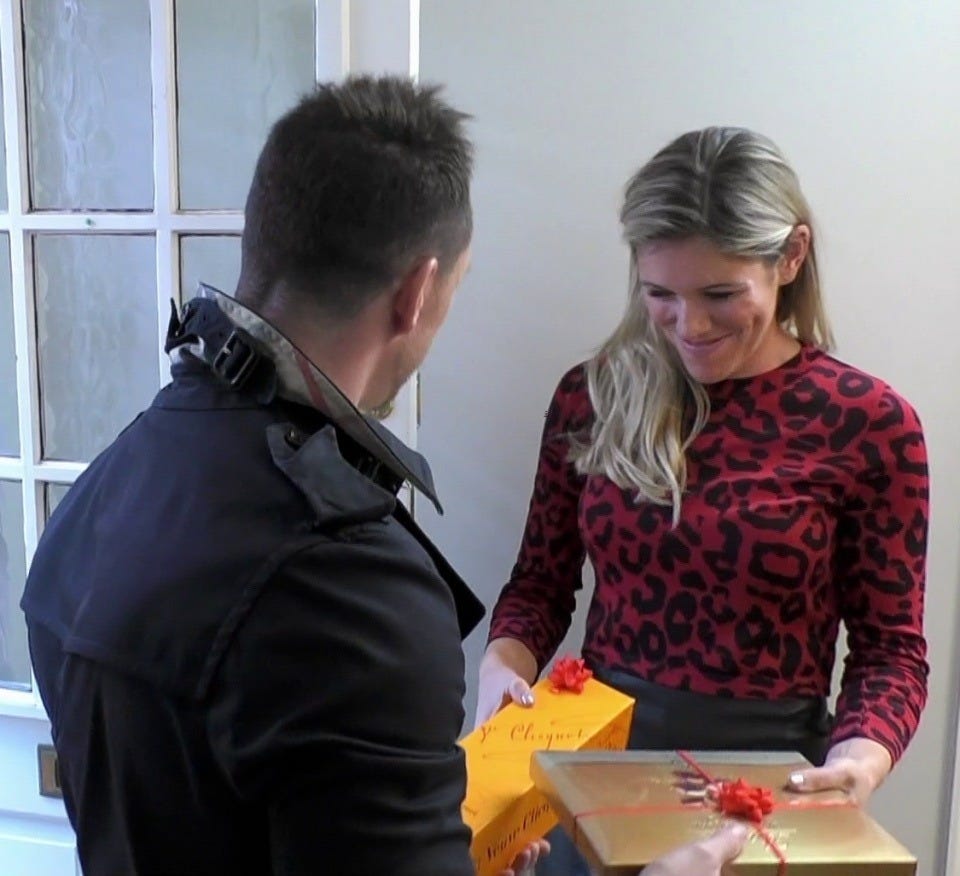
4. Energy is contagious
One of the most interesting things I noticed was during the one-to-camera interviews.
The way questions were asked had a direct impact on how I answered. If the producer was upbeat, I was upbeat. If they slowed things down, I naturally followed.
Simple, but it stuck.
I use that all the time now, whether I’m directing talent, running a meeting, or presenting. The energy you bring into a space tends to come back to you.
5. Rapport makes everything better
Filming was intense. Long days, cameras everywhere, and not much freedom to just wander around my own house. (shout out for the top notch catering though).
There were also moments where I’d spend a good couple of hours doing absolutely nothing, essentially a prisoner in my own bedroom, while action was unfolding downstairs. Then suddenly I’d be called in and expected to pick things up straight away.
What made all of that work was the people.
There were loads of crew members coming in and out throughout the day, all doing different jobs. The ones who took the time to build a bit of rapport made everything feel easier.
It also made me really appreciate how many people it takes to make something like that happen. Everyone has a role, and when it clicks, it really clicks.
That’s something I try to carry into every shoot now.
6. Be ruthless with the edit
We filmed for five days. The final programme was one hour.
Whole scenes didn’t make it in. Things I thought would definitely be included were cut.
Not because they weren’t good, but because they didn’t serve the story.
That was a big creative lesson for me.
You can’t hold onto something just because you like it or because you’ve spent time on it. If it doesn’t make the final piece better, it needs to go.
Easier said than done, but necessary.
7. Being “on” is a skill
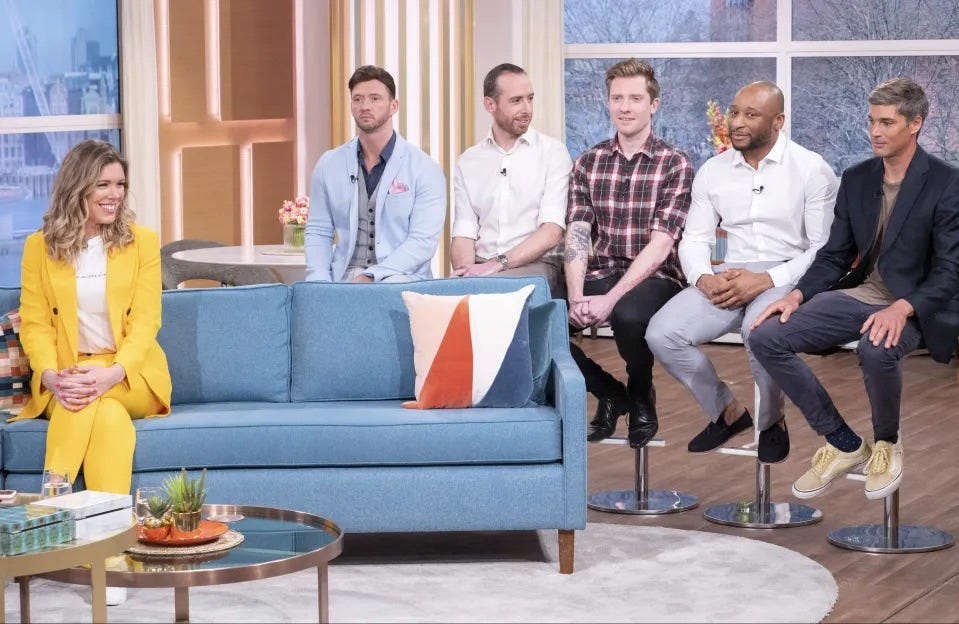
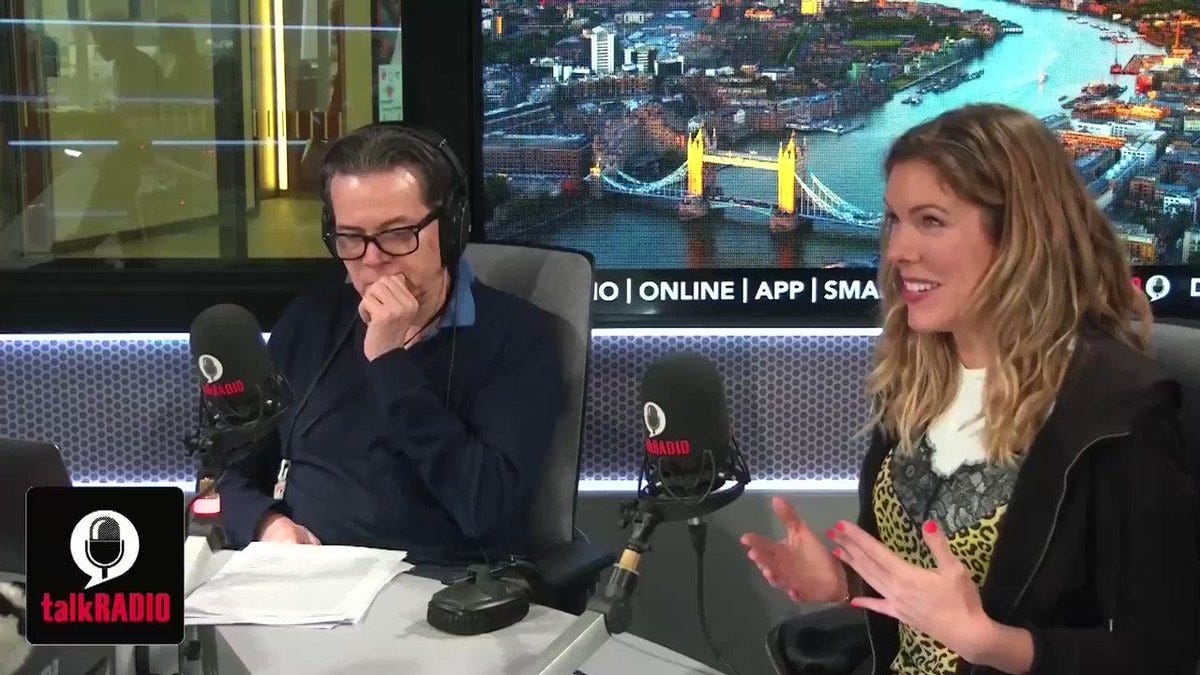
Two years after filming, the show aired and I ended up doing a week of press. Newspapers, radio, and a slightly surreal appearance on ITV’s This Morning.
What struck me was how quickly everything happens. You get a quick run-through, and then suddenly you’re live.
Watching seasoned presenters switch from chatting normally to being completely “on” the second the cameras rolled was fascinating. It’s not about being fake; it’s about being able to focus, deliver, and show up when it counts.
That really stayed with me. Because in our world, there are moments like that too - pitches, presentations, big meetings - where you don’t get multiple takes. You just have to be ready.
8. Regret is worse than embarrassment
It’s not something I ever planned to do, and it’s definitely not for everyone.
But it gave me a completely different perspective, and a lot of insight I still use today.
And no regrets.
Also, a very solid story for when I’m 99.
The unexpected takeaway
Needless to say, I didn’t find the love of my life on that show.
But I did come away with something more useful. A better understanding of storytelling, of people, and of how teams come together to make something work.
And I think that’s why it’s stuck with me.
It wasn’t just a random, slightly chaotic life experience. It was one of those moments that quietly shapes how you see things afterwards - how you direct, how you collaborate, how you make decisions.
So if something comes your way that feels slightly unexpected, slightly uncomfortable, and not entirely on plan…
Say yes.
You never quite know what it might turn into.
just beyond iconic